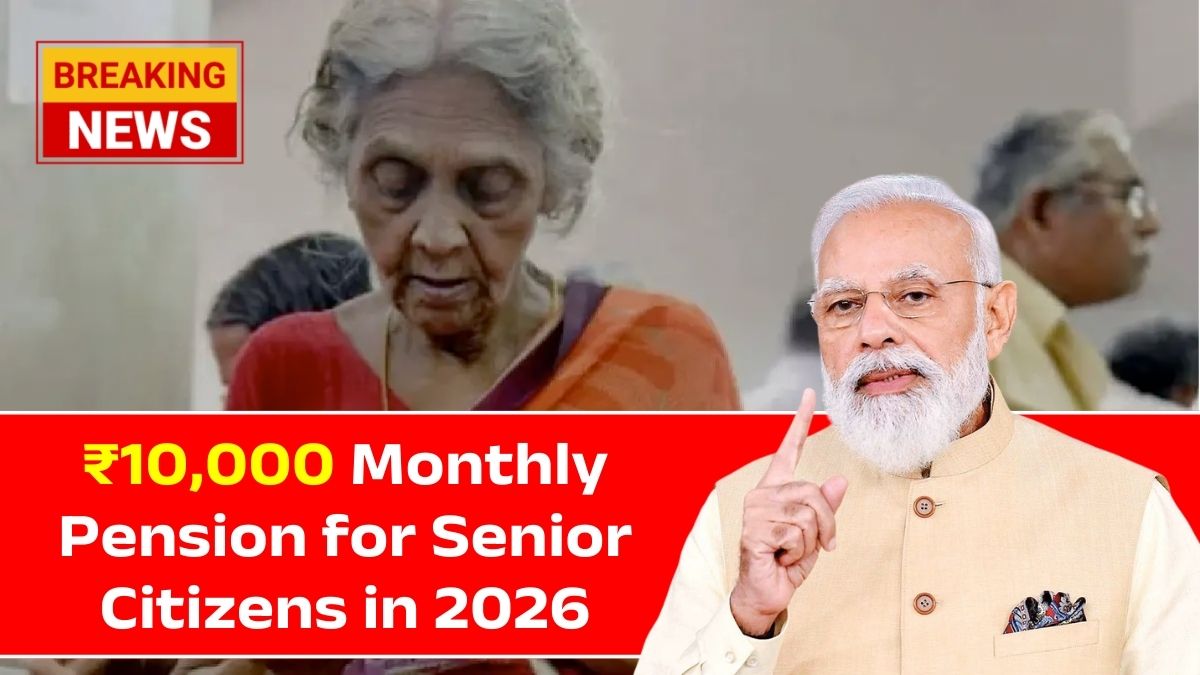
Senior Citizens Monthly Pension Scheme 2026 : The Government of India has recently discussed a proposal called the Senior Citizens Monthly Pension Scheme 2026, which aims to provide ₹10,000 per month to eligible elderly citizens. The idea behind this scheme is simple: to offer steady financial support to seniors who may not have a regular source of income after retirement. With rising prices of groceries, electricity, medicines, and healthcare services, many older citizens struggle to manage their monthly expenses. A fixed pension amount credited directly to their bank accounts could make a big difference in their daily lives.
This scheme is being positioned as a social support measure rather than a traditional contributory pension plan. In other words, it is designed mainly for those who may not have worked in the formal sector long enough to receive a large pension or who never had employer-backed retirement benefits. By providing ₹10,000 every month, the government aims to reduce financial stress and help seniors live with greater independence and dignity.
Eligibility and Priority Focus
The proposed scheme is expected to focus on citizens aged 60 years and above. However, not every senior citizen may automatically qualify. The plan is likely to prioritize individuals who belong to economically weaker sections, widows, elderly persons living alone, and those without strong family support. The goal is to ensure that the money reaches people who truly need financial help the most.

Applicants would likely need to submit basic documents such as age proof, identity proof, and residence proof. Income-related documents may also be required to confirm eligibility under the economic criteria. This structured approach helps avoid misuse and ensures that the benefits are fairly distributed. Seniors who do not have personal savings, fixed deposits, or existing pensions may receive preference during selection.
Officials have indicated that regular verification could be part of the process. This means beneficiaries might need to confirm their eligibility from time to time to continue receiving payments. While this may sound like extra paperwork, it is mainly intended to keep the system transparent and updated.
Application Process and Accessing Benefits
The government is expected to make the application process simple and accessible. Seniors may be able to apply online through official portals or visit designated welfare offices for offline registration. For many elderly citizens who are not comfortable using digital platforms, assistance centers and local officials could help with form filling and document submission.

Once the application is approved, the pension amount would be transferred directly to the beneficiary’s bank account through the Direct Benefit Transfer (DBT) system. This method reduces delays and avoids middlemen, making the process more secure and efficient. Seniors can check their bank accounts monthly to confirm that the payment has been credited.
For people living in rural or remote areas, local government representatives and community service centers may play an important role in spreading awareness and helping with registration. This ensures that the scheme does not remain limited to urban populations only. Beneficiaries are also advised to report any issues, such as delayed payments or incorrect amounts, to the appropriate authorities through official grievance channels.
Financial and Healthcare Implications
A steady ₹10,000 monthly income can significantly reduce financial pressure on senior citizens. Even though it may not cover every possible expense, it can help manage essential needs such as food, electricity bills, water charges, and basic household costs. For many elderly individuals, medicines and medical check-ups take up a large part of their monthly budget. Having a guaranteed income can ensure that they do not delay necessary treatments due to lack of funds.

Healthcare professionals often point out that timely medical care can prevent serious complications later. If seniors can afford regular doctor visits and prescribed medicines, their overall quality of life improves. This pension support could also reduce the emotional stress that comes from depending entirely on children or relatives for money.
Families may also feel some relief, as the burden of eldercare expenses would be partially supported by the government. While the pension may not replace personal savings or health insurance, it can act as a helpful supplement in managing retirement life.
Impact on Rural Communities and Household Dynamics
The scheme could have a particularly strong impact in rural areas, where many elderly citizens do not receive formal pensions. In villages, income opportunities are often limited, and savings may be minimal. A fixed monthly support of ₹10,000 can improve nutrition, healthcare access, and overall living conditions for older residents.

In many Indian households, multiple generations live together. When seniors have their own source of income, it often strengthens their position within the family. They can contribute to household expenses and make personal spending decisions independently. This sense of financial independence promotes dignity and self-respect.
Social experts believe that such schemes also improve community stability. When elderly citizens feel secure and valued, it positively affects family relationships and social harmony. Over time, programs like this can encourage better planning for old age and greater awareness about financial preparedness.
Transparency and Accountability Measures
To ensure smooth implementation, the scheme relies heavily on direct bank transfers. By sending money directly to beneficiaries’ accounts, the system reduces the chances of corruption or administrative leakage. Each payment leaves a digital record, making it easier to track and audit.

Beneficiaries are encouraged to regularly monitor their accounts and keep their documents updated. If there are any discrepancies, they can raise complaints through official grievance redressal systems. The use of technology in welfare delivery increases transparency and builds trust between citizens and the government.
In some areas, financial literacy programs may also be introduced alongside the scheme. This can help seniors understand budgeting, saving small amounts, and using banking services safely. When combined with proper guidance, the pension can become part of a broader financial planning strategy for retirement.
Looking Ahead and Policy Considerations
The Senior Citizens Monthly Pension Scheme 2026 reflects a growing focus on strengthening social protection for elderly citizens in India. While ₹10,000 per month may not cover all living costs, it offers a structured base level of support. Policymakers may continue reviewing the scheme’s effectiveness, coverage, and impact over time.

Future improvements could include adjustments to the pension amount based on inflation or expanding eligibility criteria. Experts suggest that government support should ideally be combined with personal savings, family support, and other retirement products to create a well-rounded financial plan.
For seniors and their families, staying informed is essential. Checking official notifications, maintaining proper documentation, and understanding eligibility requirements will help ensure smooth access to benefits if and when the scheme is formally implemented.
Disclaimer: This article is for general informational purposes only and is based on publicly discussed proposals regarding the Senior Citizens Monthly Pension Scheme 2026. Final benefits, eligibility criteria, and procedures will depend on official government notifications and regulatory approvals. Readers are strongly advised to verify details through authorized government sources or local welfare offices before making any financial or retirement-related decisions. Policies may change without prior notice.