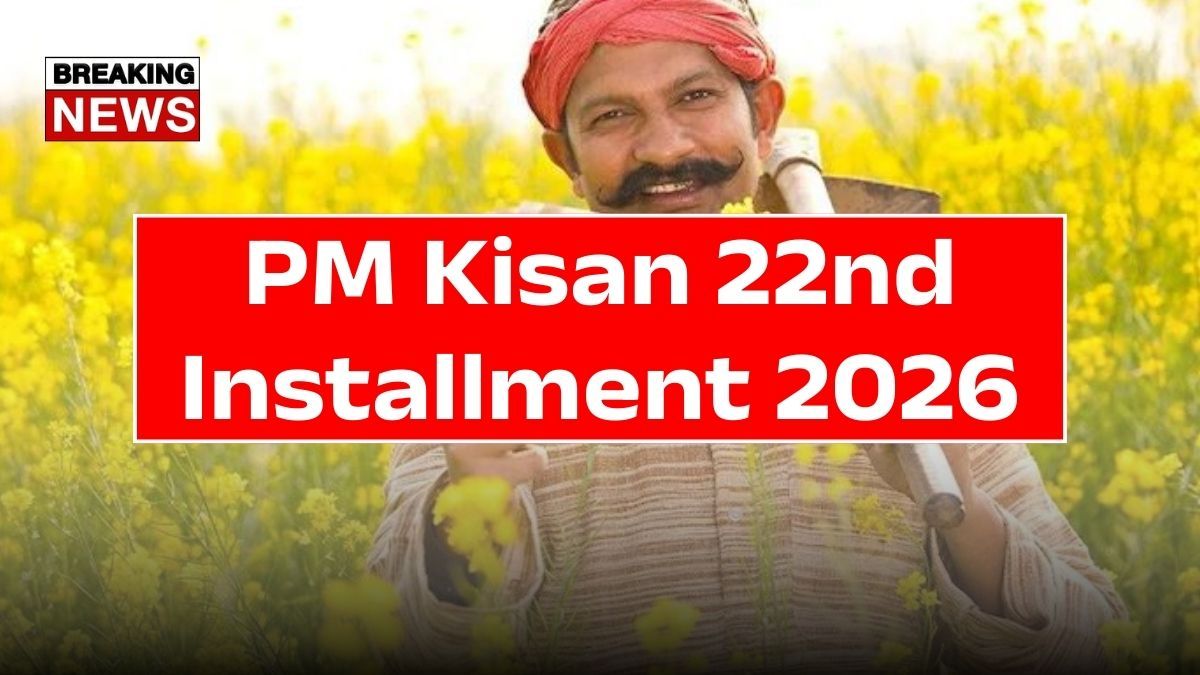
PM Kisan 22nd Installment 2026 : As the new financial year begins, farmers across the country are once again waiting for the next ₹2,000 credit under the PM-Kisan scheme. The 22nd installment is expected around April 2026 if everything goes as per the usual schedule. While the exact release date has not been officially confirmed yet, past payment patterns suggest that the first installment of the financial year is generally released in the April–July window. For many small and marginal farmers, even this ₹2,000 amount plays an important role in managing seasonal farming expenses.
PM-Kisan provides ₹6,000 per year to eligible farmers, divided into three equal installments of ₹2,000 each. The money is directly transferred to farmers’ bank accounts through the Direct Benefit Transfer (DBT) system. The goal is simple — to provide basic income support so farmers can handle small but essential agricultural and household expenses without depending entirely on loans.
April Release Window and Payment Pattern
If we look at previous years, the government usually releases one installment in the early months of the financial year, one in the middle, and the last installment toward the end. Based on that pattern, the 22nd installment is likely to arrive in April 2026. However, the exact credit date may vary from state to state because payments depend on beneficiary verification, e-KYC completion, and approval processes.

Sometimes, delays happen due to bank holidays, technical issues, or pending document verification. That’s why farmers are advised not to rely only on local rumors or social media posts. The safest way to check updates is through the official PM-Kisan portal, where real-time beneficiary status and payment history are available.
Why ₹2,000 Still Makes a Difference
At first glance, ₹2,000 may not look like a big amount, especially considering rising fertilizer and seed costs. But for small and marginal farmers, this amount often arrives at a very important time — just before sowing season. Early access to cash allows farmers to purchase seeds, fertilizers, pesticides, or irrigation supplies without taking short-term loans from local lenders.
For example, a farmer cultivating cotton or pulses can use this money to buy inputs in advance instead of buying on credit at higher prices. Direct cash support improves flexibility. It gives farmers control over how they want to use the funds — whether for farm inputs, labor payments, or even urgent household expenses. In rural areas where cash flow can be unpredictable, this predictability reduces short-term financial stress.

Eligibility Rules and Verification Process
Over the past few years, the government has tightened eligibility checks under PM-Kisan. The scheme is meant only for small and marginal landholding farmers. Certain categories are excluded, including institutional landholders, high-income taxpayers, and government employees. To prevent misuse, authorities regularly conduct land record verification and Aadhaar authentication.
Because of these verification drives, some farmers may temporarily see their payments stopped. In most cases, this is not permanent. Common issues include name mismatches between Aadhaar and bank records, incorrect IFSC codes, inactive bank accounts, or incomplete e-KYC. Once these problems are corrected, payments usually resume.
The government has emphasized Aadhaar-based authentication. Completing e-KYC has become mandatory to continue receiving installments. Farmers who haven’t updated their e-KYC should do it as soon as possible to avoid delays in the 22nd installment.

How to Check Beneficiary Status and Payment History
The official PM-Kisan portal remains the most reliable way to check whether your name is included in the beneficiary list. Farmers can log in using their Aadhaar number, registered mobile number, or registration ID. The portal allows you to see installment history, pending status, and any verification issues.
Apart from the website, farmers can also check their bank passbook entries or mobile banking apps for DBT credits. Most payments come with a government transaction reference. Although SMS alerts are sent after credit, sometimes messages fail due to network problems or changed mobile numbers. So, checking directly through the portal or bank is always safer.
Role of PM-Kisan in Rural Financial Stability
PM-Kisan is not designed to completely solve agricultural income challenges. Instead, it provides baseline income support. Earlier support models like loan waivers or crop procurement schemes worked differently. PM-Kisan focuses on direct cash transfer, giving farmers freedom to use funds based on their immediate needs.

For marginal farmers who depend heavily on monsoon patterns and seasonal crop cycles, even small predictable income support can help stabilize monthly expenses. It may not fully protect against crop failure, price crashes, or extreme weather, but it does reduce dependency on high-interest informal loans.
Predictable installments also improve planning. When farmers know that ₹2,000 is likely to arrive in a certain window, they can align small purchases accordingly. This predictability is often more valuable than one-time large but uncertain benefits.
Common Reasons for Payment Delays
Most delays under PM-Kisan are technical rather than financial. The government allocates funds, but payments may fail due to incorrect or incomplete data. Dormant bank accounts are a major reason. If an account has been inactive for a long time, banks may temporarily block transactions.
Biometric authentication failure during Aadhaar verification can also cause delays. In some cases, spelling differences between Aadhaar and land records create mismatch errors. Farmers should ensure their Aadhaar details, bank account information, and land records are correctly updated and consistent.
Visiting the nearest Common Service Centre (CSC) or authorized Aadhaar center can help resolve most issues. Keeping documents updated reduces the chances of installment rejection.
Installment Amount and Future Expectations
As of now, there is no official confirmation of any increase in the installment amount. The 22nd installment is expected to remain ₹2,000 per eligible household as part of the ₹6,000 annual structure. Any changes in amount or structure would require formal government announcement.

It is important to understand that receiving earlier installments does not automatically guarantee future payments. Eligibility conditions must continue to be met. Land ownership status, Aadhaar linkage, and banking compliance must remain valid to receive ongoing benefits.
Seasonal Importance of the 22nd Installment
April is a key preparation period for many crops in several states. Farmers start planning for Kharif season activities, including soil preparation, seed purchase, and irrigation arrangements. Even though ₹2,000 does not cover all expenses, it helps kickstart preparations without borrowing immediately.
Apart from farming needs, rural households often use part of the installment for essential daily expenses. School fees, medical needs, and household groceries sometimes compete with farm input spending. Direct support offers flexibility to balance both farm and family priorities.

Practical Advice for Beneficiaries
Farmers should regularly check their beneficiary status instead of waiting for local announcements. Completing e-KYC, maintaining active bank accounts, and ensuring correct Aadhaar linkage are basic but crucial steps. Keeping photocopies or digital copies of important documents can also help during verification drives.
Avoid believing viral messages claiming early or double payments unless confirmed by official sources. Planning seasonal expenses while keeping a small backup fund is always wise in case of administrative delays.
Conclusion
The 22nd installment of PM-Kisan is expected to continue the scheme’s role as a steady financial support system for small and marginal farmers. While ₹2,000 may appear modest, its timely arrival helps reduce short-term borrowing and supports early agricultural preparations. By staying compliant with eligibility rules and keeping documentation updated, farmers can ensure smooth receipt of future installments and make the most of this income support program.
Also Read:
 Holi Closures, Long Weekends, And Important Banking Schedule Details -Bank Holidays In March 2026
Disclaimer: This article is for informational purposes only and is based on publicly available scheme guidelines and past payment patterns. The release date, eligibility criteria, installment amount, and beneficiary list are subject to official government approval and verification processes. Farmers should verify all details through the official PM-Kisan portal or authorized government offices before making financial decisions. Payment timelines may vary due to administrative, banking, or documentation-related factors.